Yeast infection (candidiasis)
Candida overgrowth. Itching, burning, redness, and swelling. Most women experience at least one episode.²


Our science
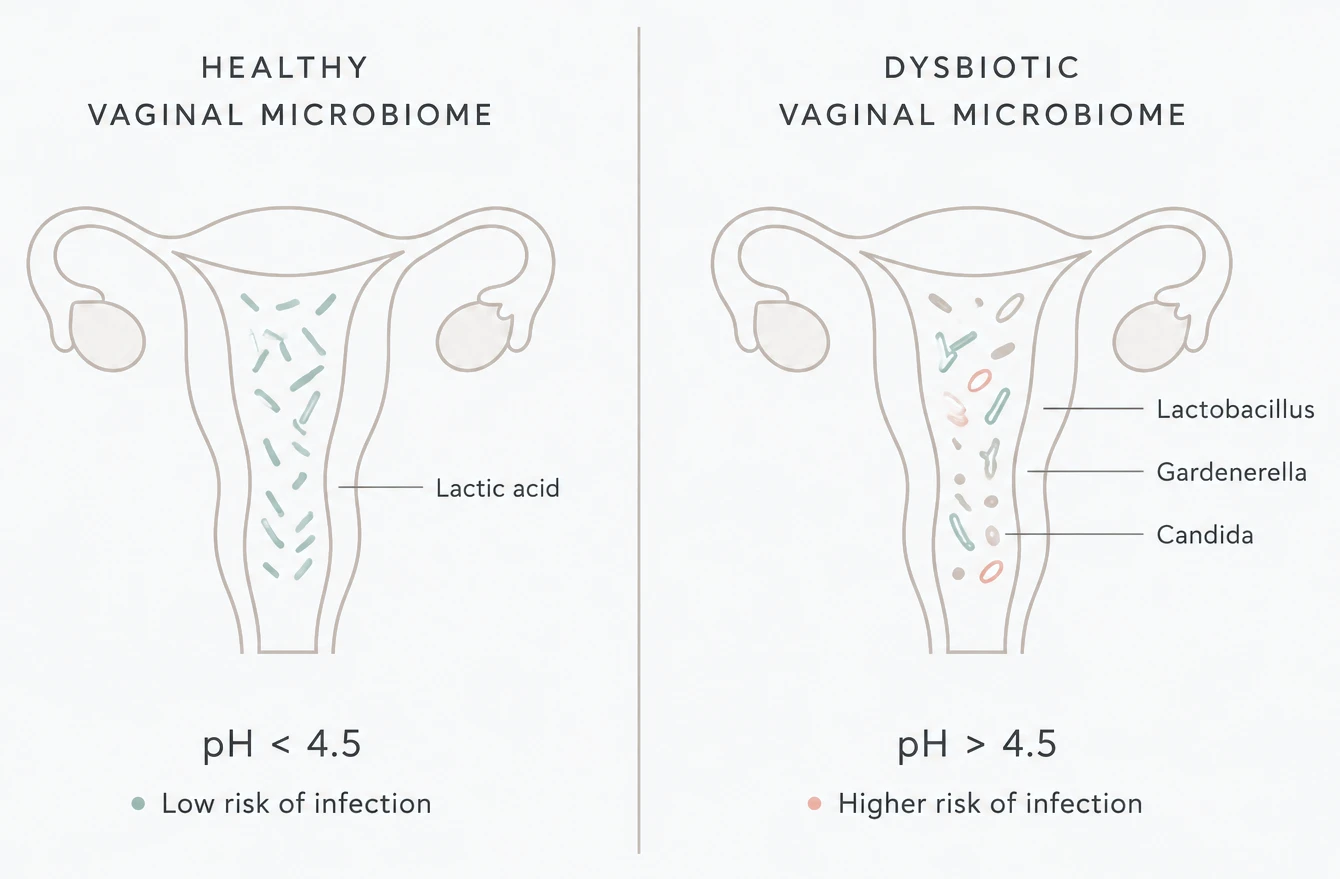
A healthy gut is diverse. A healthy vagina is dominated by Lactobacillus, held at low pH. Diversity here is a warning sign.
Clinical relevance
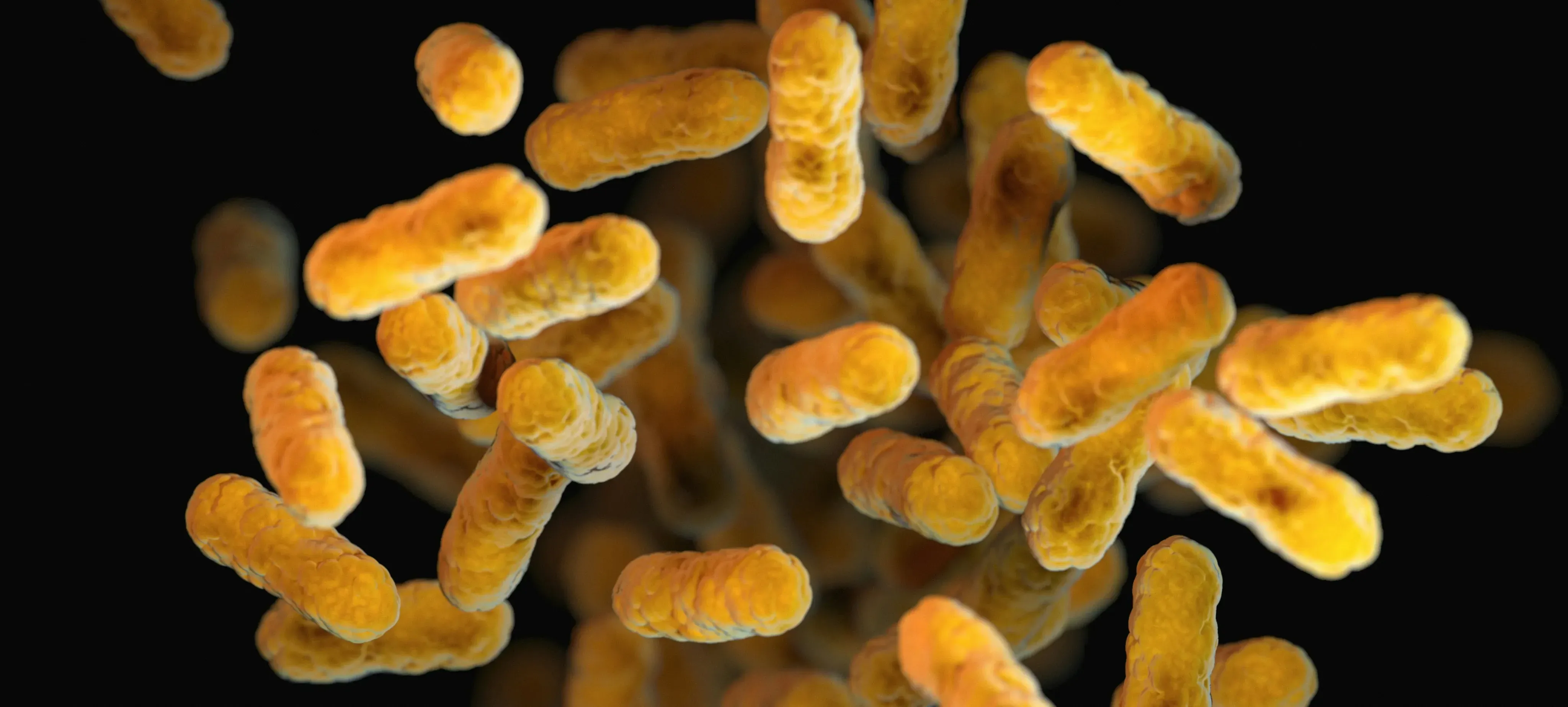
A healthy vagina is slightly acidic, and that is the work of Lactobacillus bacteria. The acid stops unwanted bacteria and yeast from settling in.
Stress, high sugar intake, smoking, douching, and copper IUDs have all been associated with fewer lactobacilli or a raised vaginal pH. The relative weight of each is not well understood.¹
Antibiotics do not distinguish between pathogens and lactobacilli. Candida overgrowth is commonly reported in the weeks following a course.¹⁶
Semen is alkaline and raises vaginal pH for several hours. In some women that shift is enough to disturb the community.³ ⁴
Lactobacilli depend on oestrogen. When it falls, their numbers fall and pH rises: monthly around menstruation, and lastingly through menopause, when dryness and irritation are also reported.⁵ ⁶
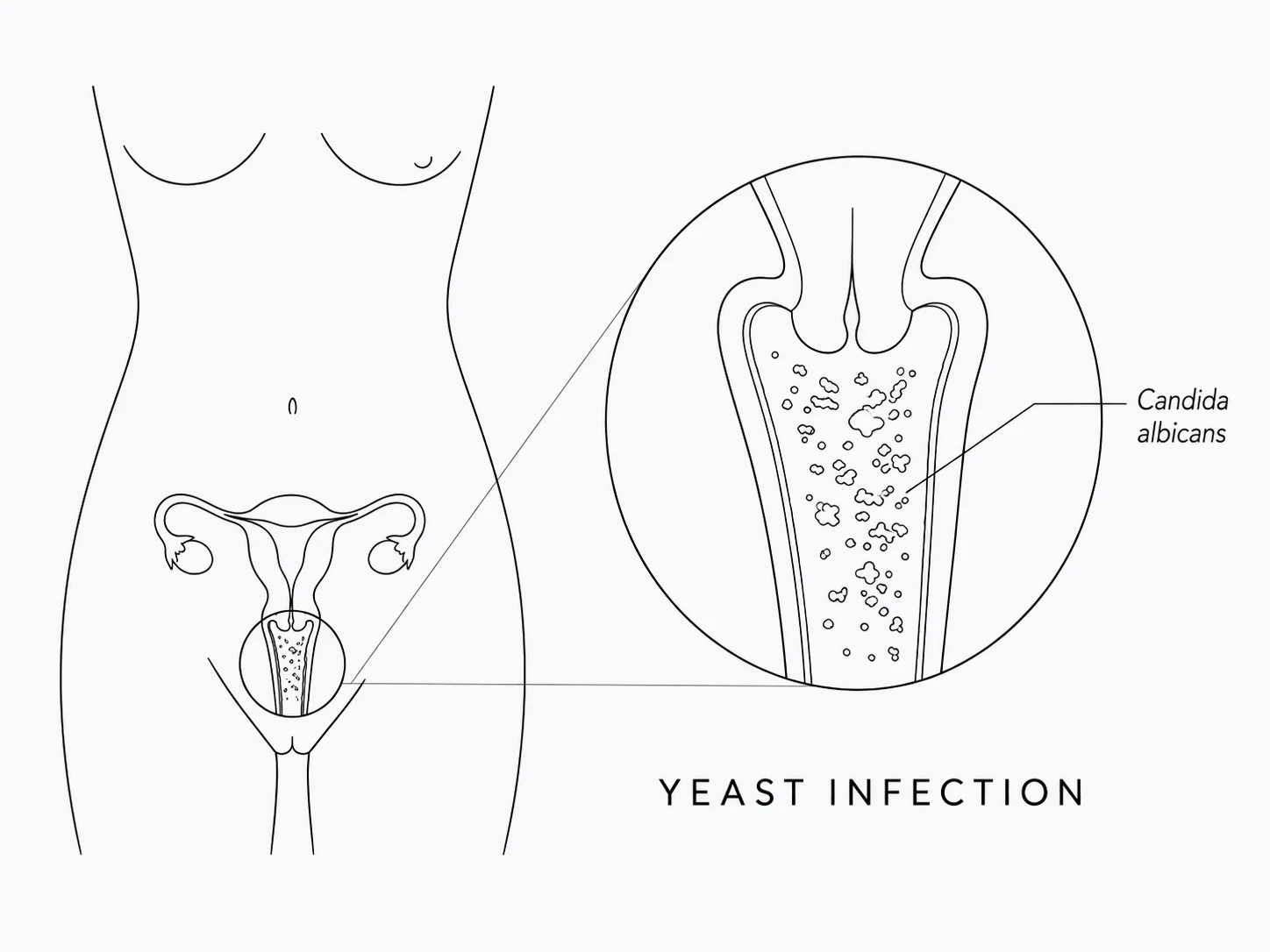
Candida overgrowth. Itching, burning, redness, and swelling. Most women experience at least one episode.²
Lactobacilli are depleted and Gardnerella vaginalis and other anaerobes overgrow. Odour, discharge, irritation, and high rates of recurrence.⁷
Vaginal lactobacilli also limit colonisation of the urinary tract.⁸
A raised pH and depleted lactobacilli are associated with easier acquisition of infection, including HIV.⁹
Dysbiosis during pregnancy is associated with preterm birth and late miscarriage.¹⁰ ¹¹
Our research platform is based on thirty years in biotech.
Today all of it is pointed at one thing. Women’s intimate health.

The target
Candida is a commensal yeast, already present on the skin and across the mucosal surfaces of the mouth, gut and vagina without causing disease. Candidiasis follows when the balance holding it in check is disturbed and the yeast overgrows. We therefore treat it as a question of restoring balance, not of eradication alone.
The solution
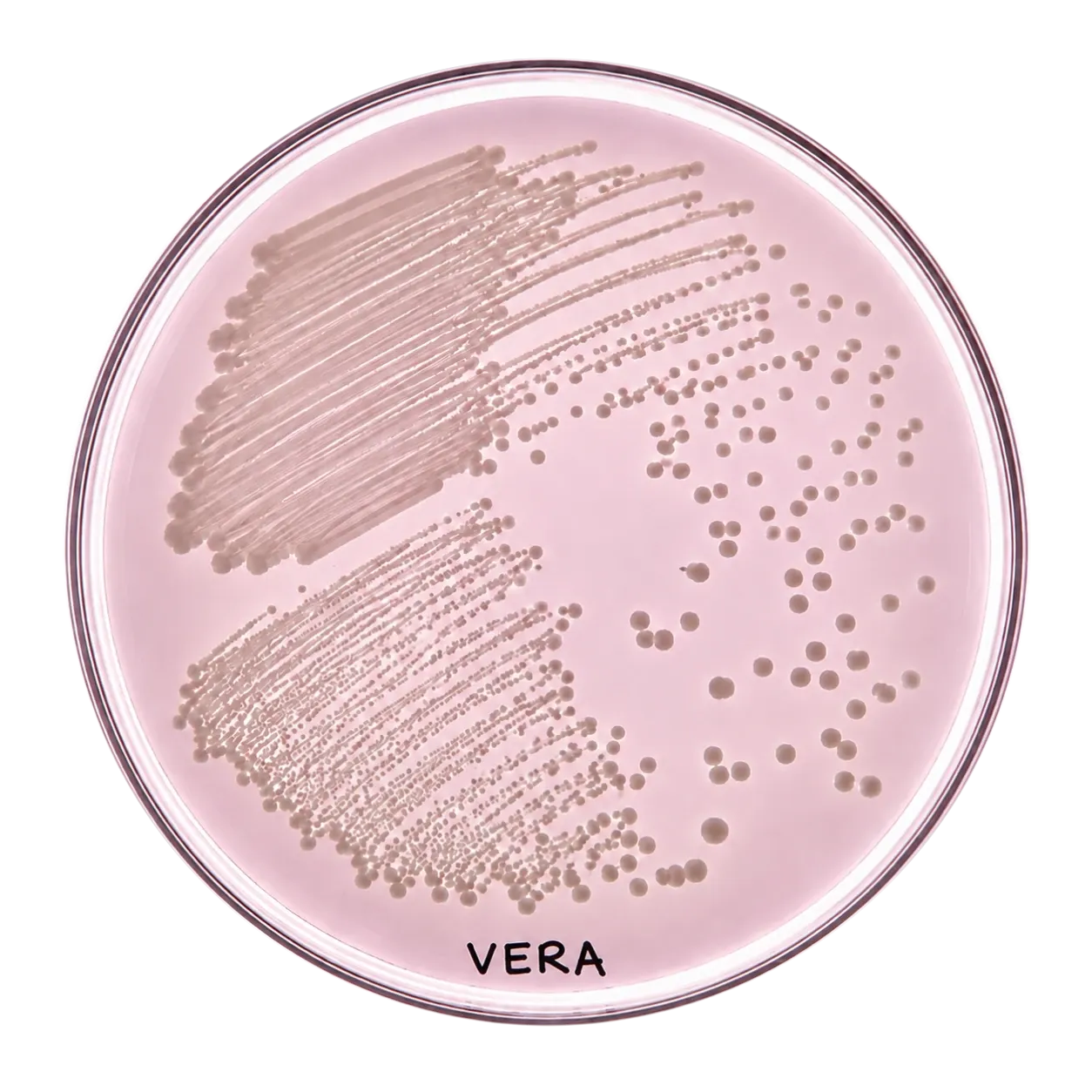
Our Lactobacillus crispatus strain is isolated from the vaginal microbiome itself. VERA is active against Candida albicans, the main cause of yeast infections today, and shows activity against drug-resistant Candida that current medicines increasingly fail to treat.
Our obsession with L. crispatus
Not all vaginal lactobacilli give the same protection. Scientists commonly group vaginal microbiomes into five Community State Types, or CSTs. Of these, CST I, dominated by L. crispatus, is consistently associated with one of the most stable and protective vaginal environments, and supports reproductive health.
Produces both D- and L-lactic acid¹² · the lowest pH¹³ · the most stable of the five¹⁴ · the strongest link to protection¹⁴
Also produce both acids¹² and hold a mildly acidic environment, but are less consistently stable than L. crispatus.¹⁴
L-lactic acid only, no D-lactic acid¹⁵ · classified as Lactobacillus-dominant, but the most prone to shift toward dysbiosis⁵
Little Lactobacillus · little lactic acid · a higher pH¹³ · associated with BV and higher risk⁹ ¹⁰
Made in Denmark
Most microbiome research stops at proof of concept. A strain that inhibits a pathogen in vitro still has to be grown at volume, hold its stability on a shelf, survive formulation, and show an effect in clinical testing. Our research platform is vertically integrated to carry a strain through all five stages, from biobank to finished product.
Floratinia offers finished turnkey formulations for intimate care, manufactured in Denmark under private label and white label.

Sampling of microorganisms from nature, animals and humans.
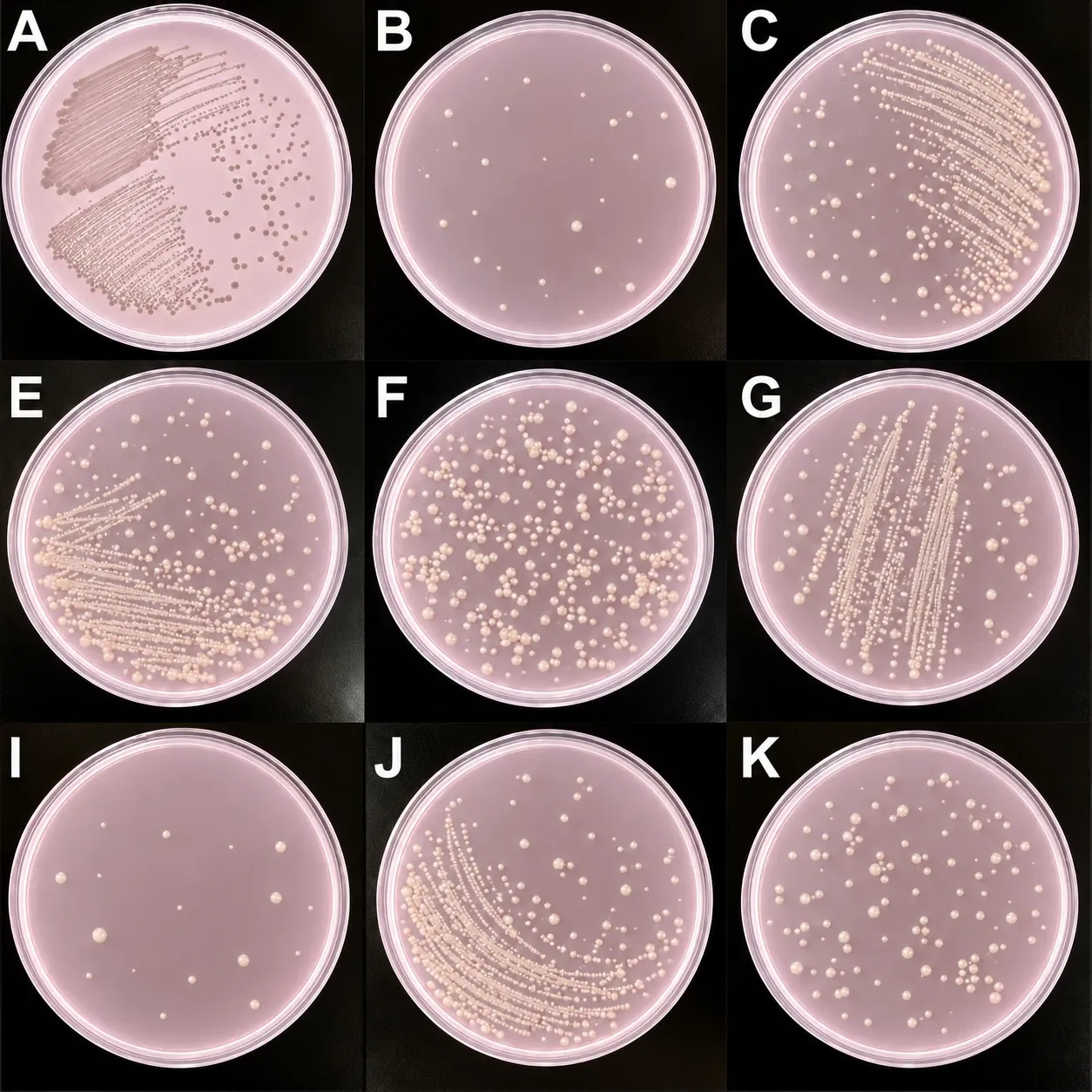
Screening for anti-fungal activity across the Lactobacillus and Bacillus genera.
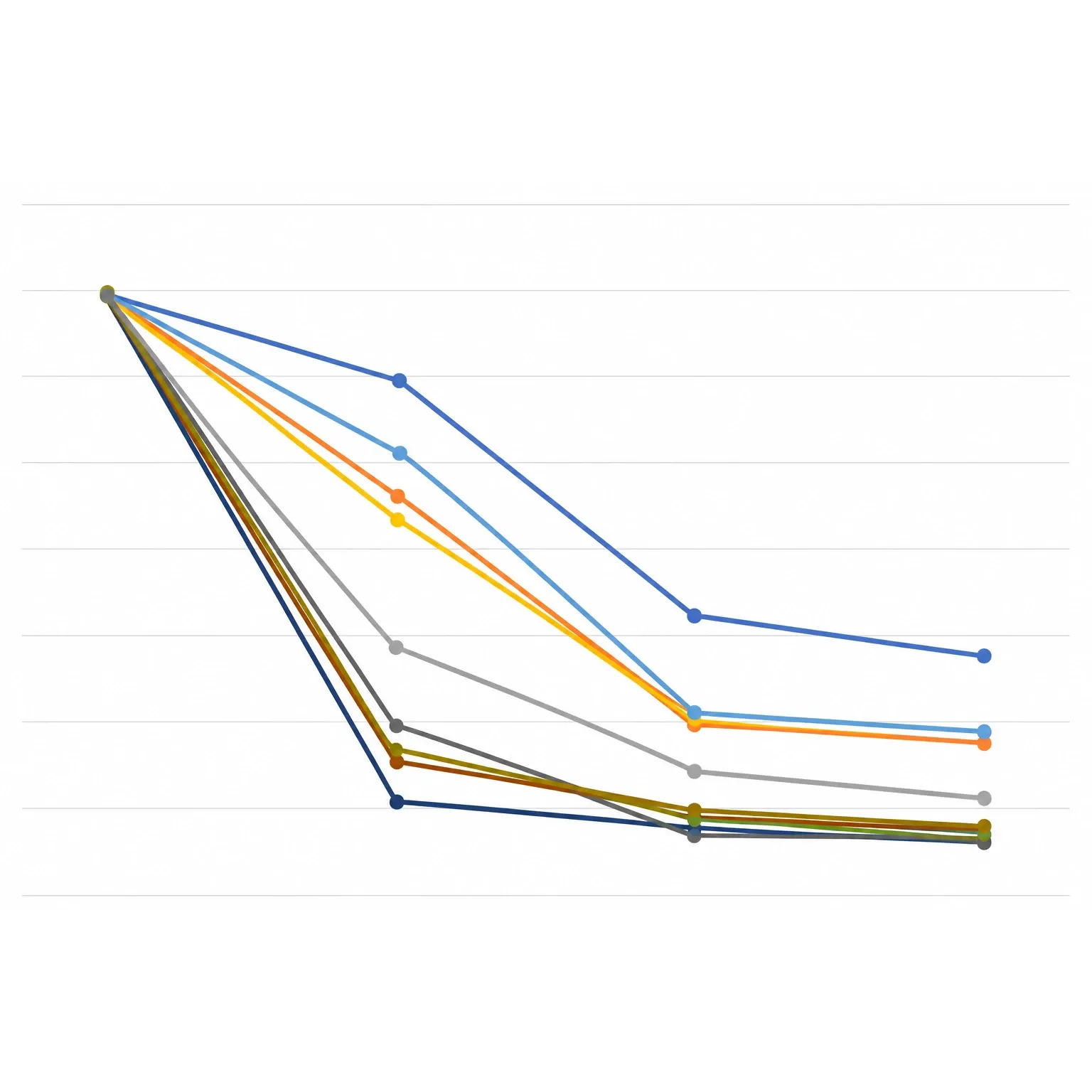
Efficacy tested against Candida and moulds.
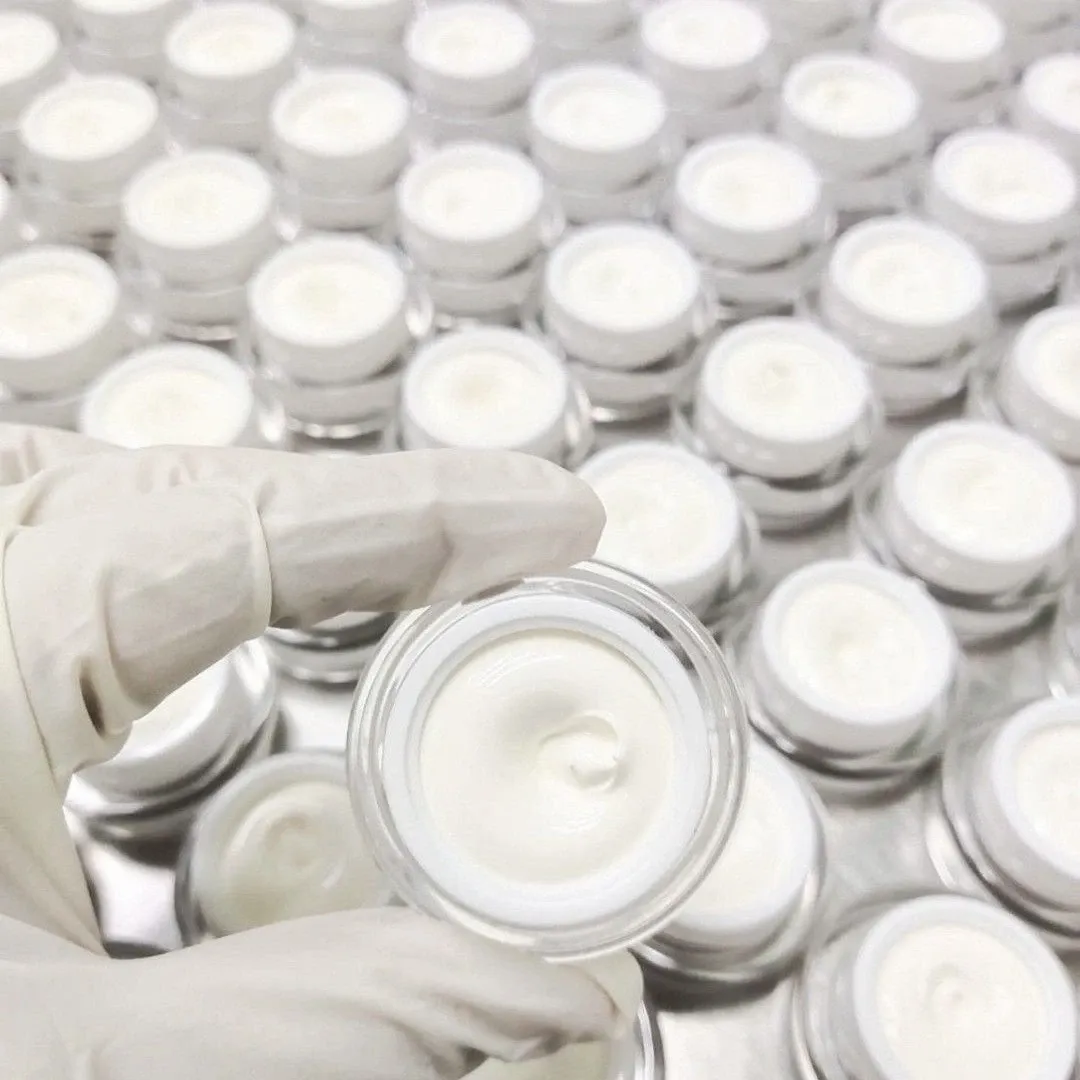
Testing plant and human cells with probiotic and postbiotic product solutions.
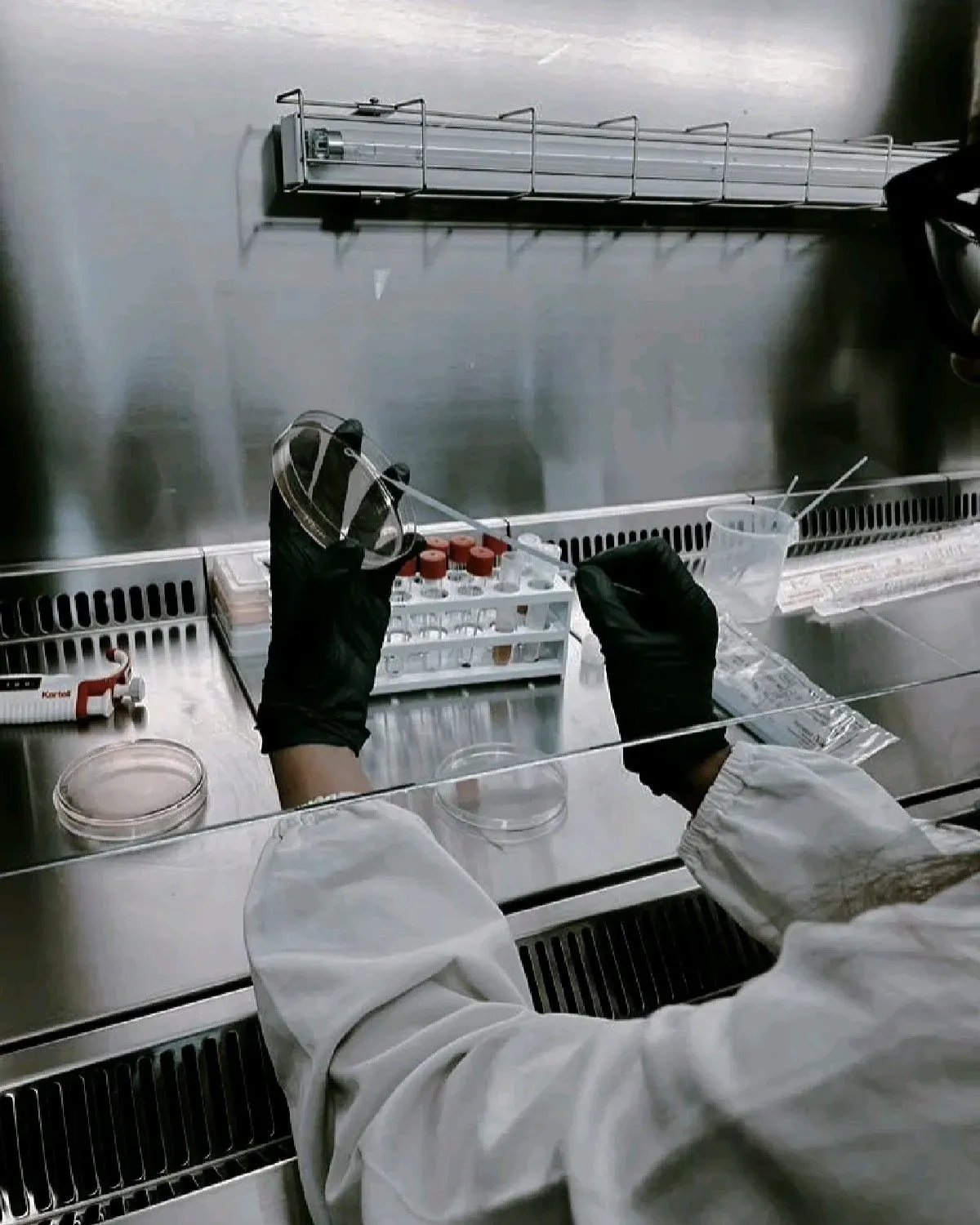
Application testing, then double-blind, placebo-controlled trials.